

Istanbul 2026
Full Program
June 16-20, 2026 Theme: Governing Artificial Intelligence Under Global Uncertainty
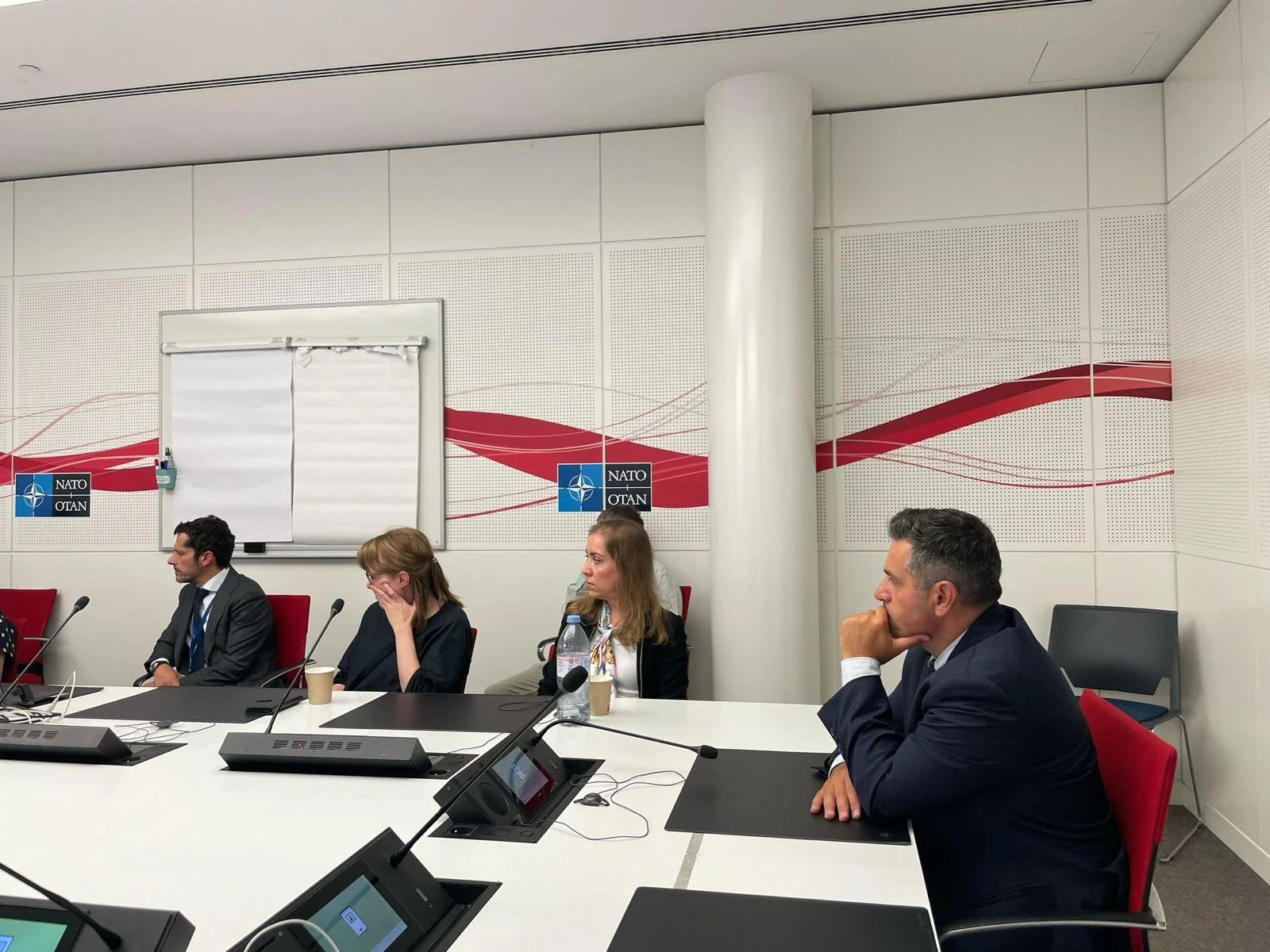
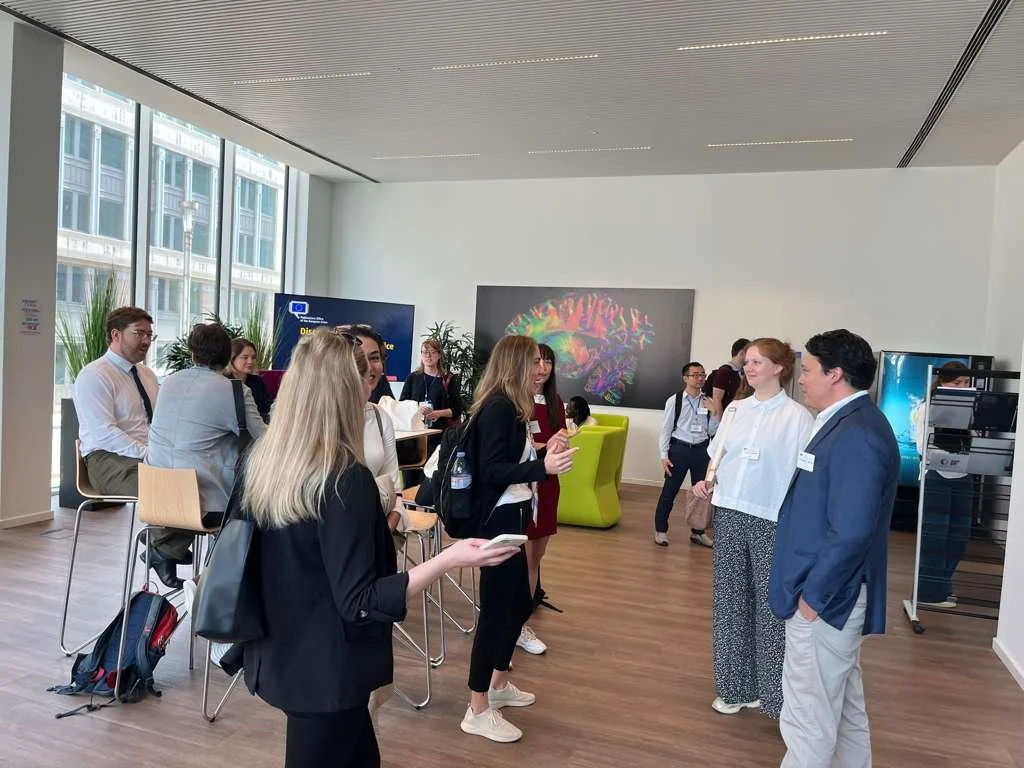
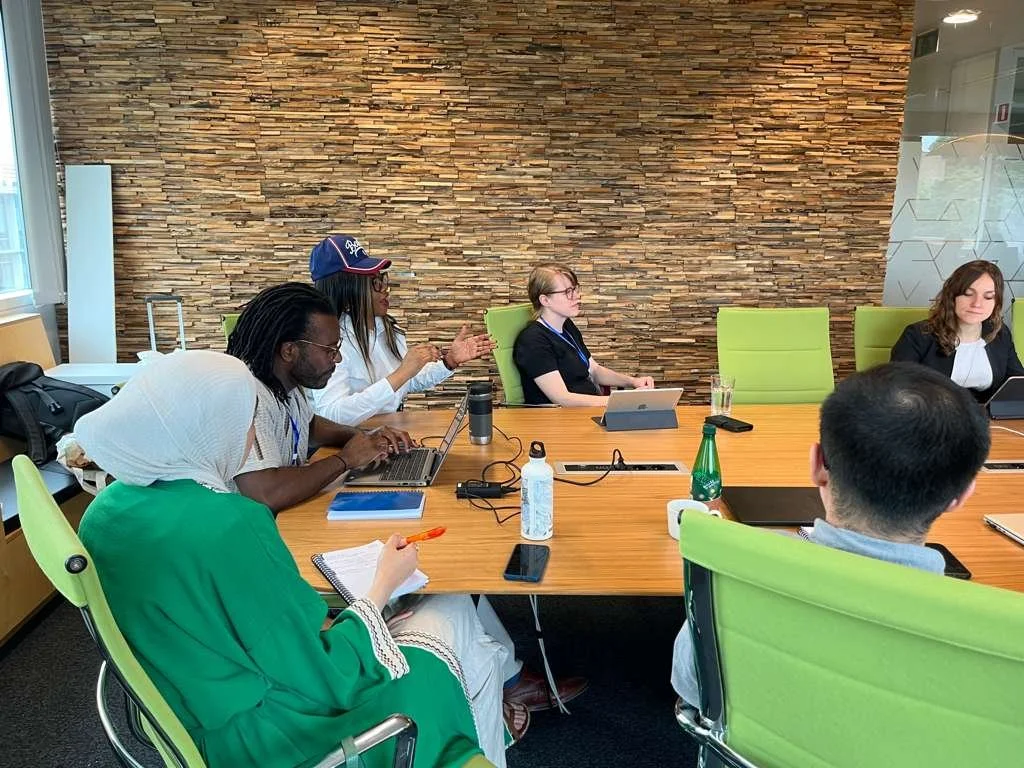
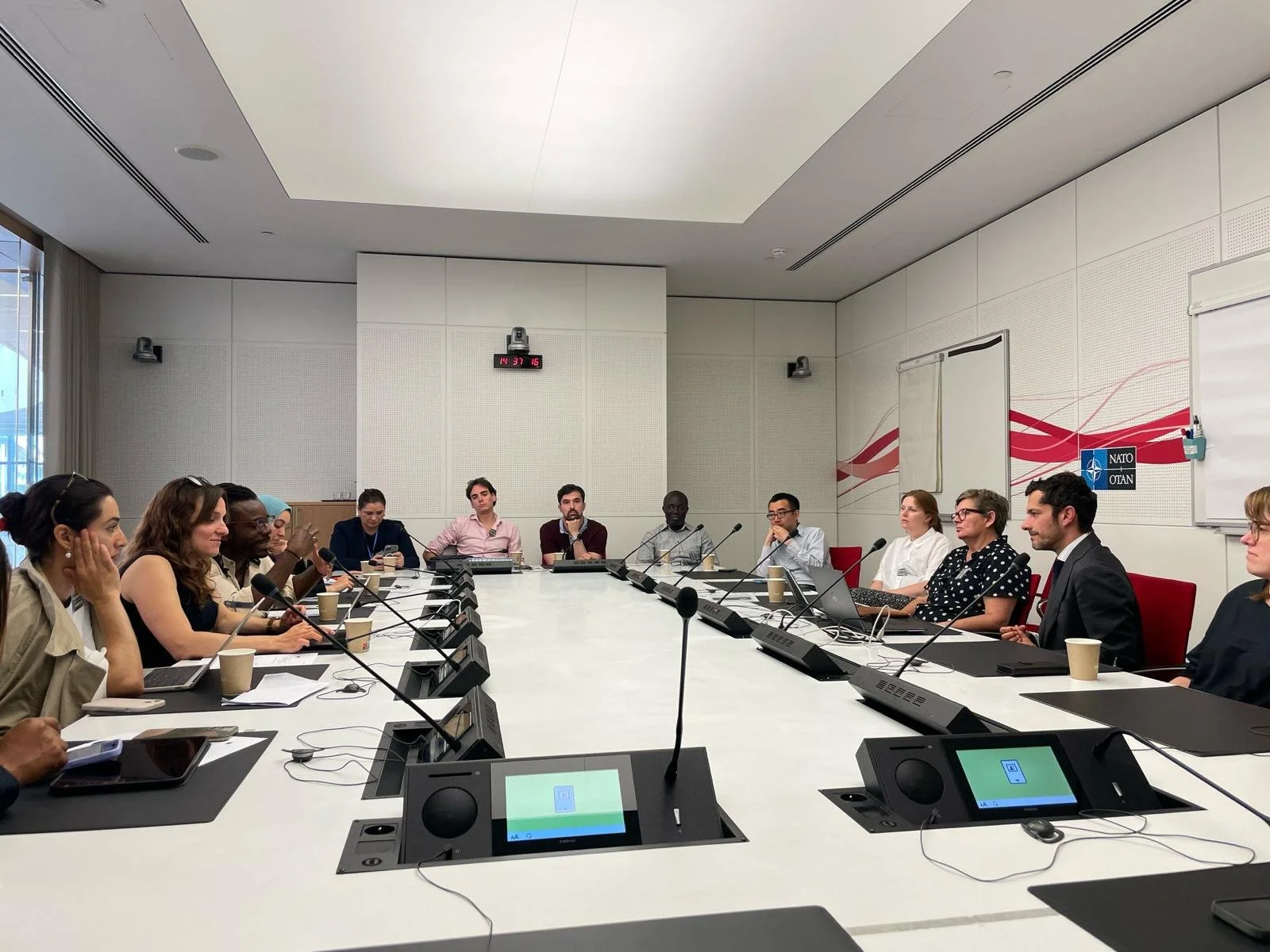
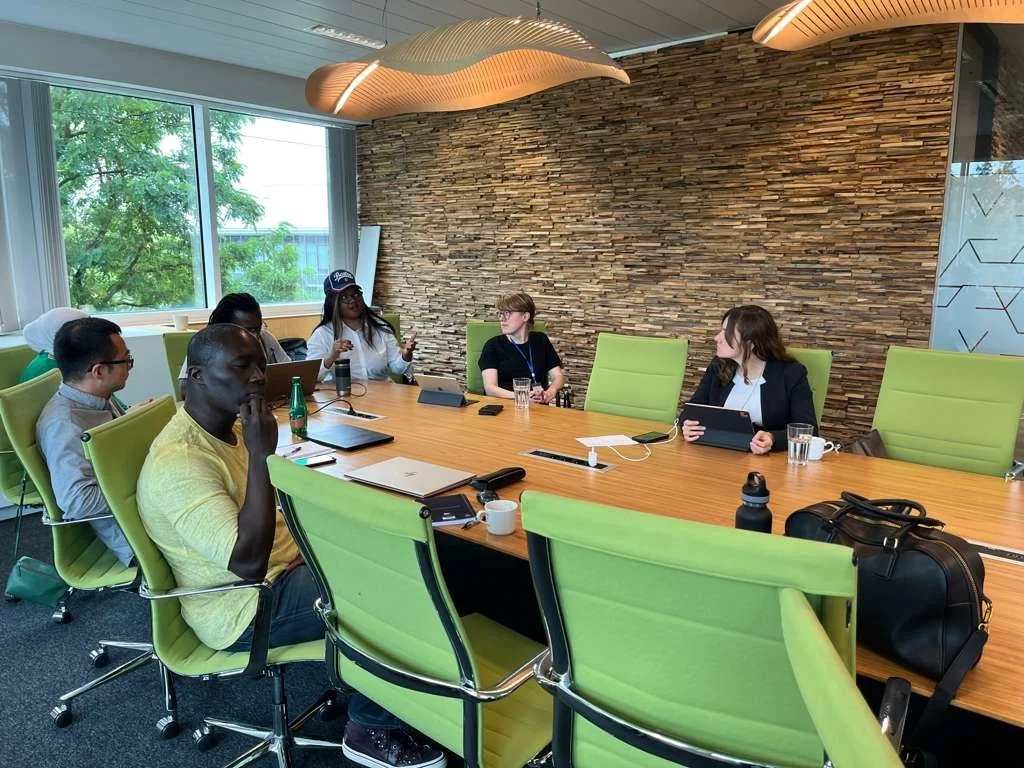
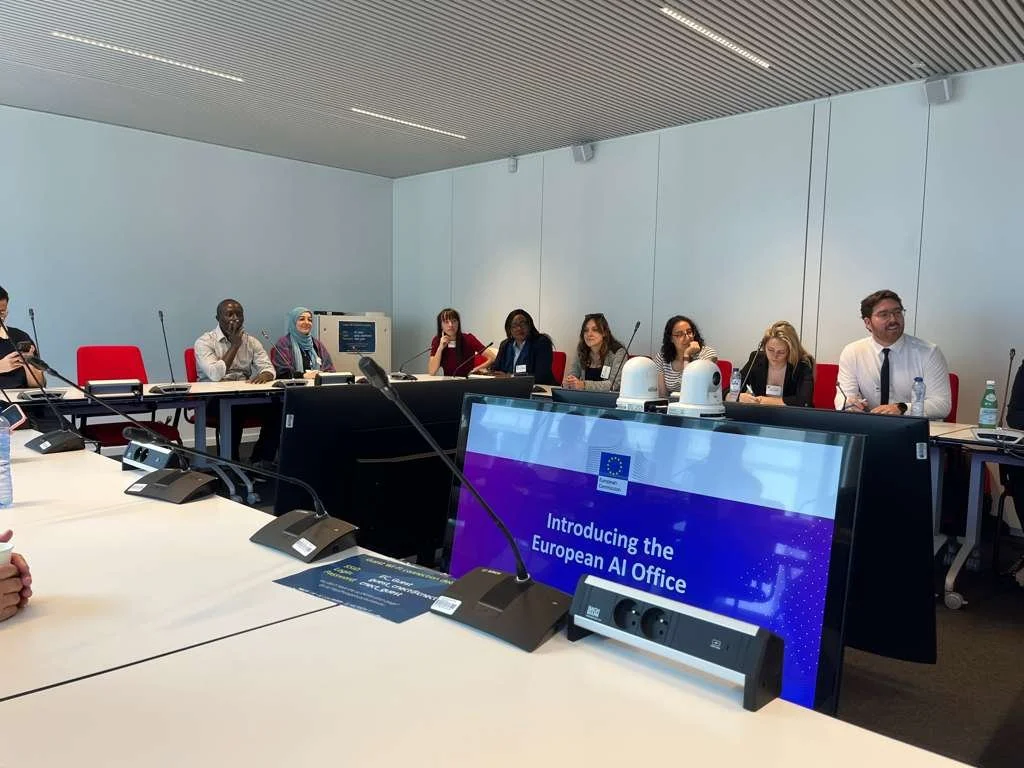

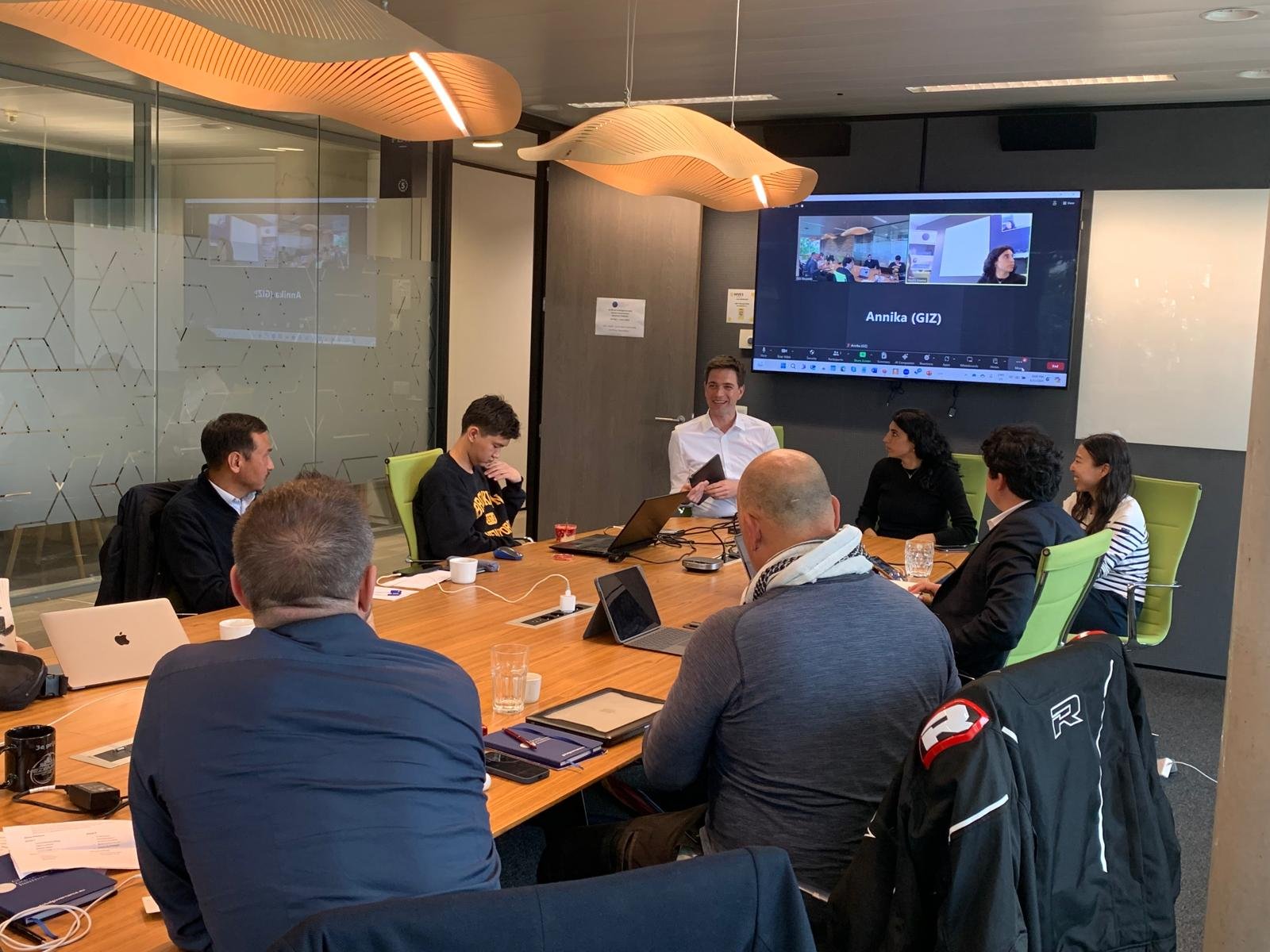
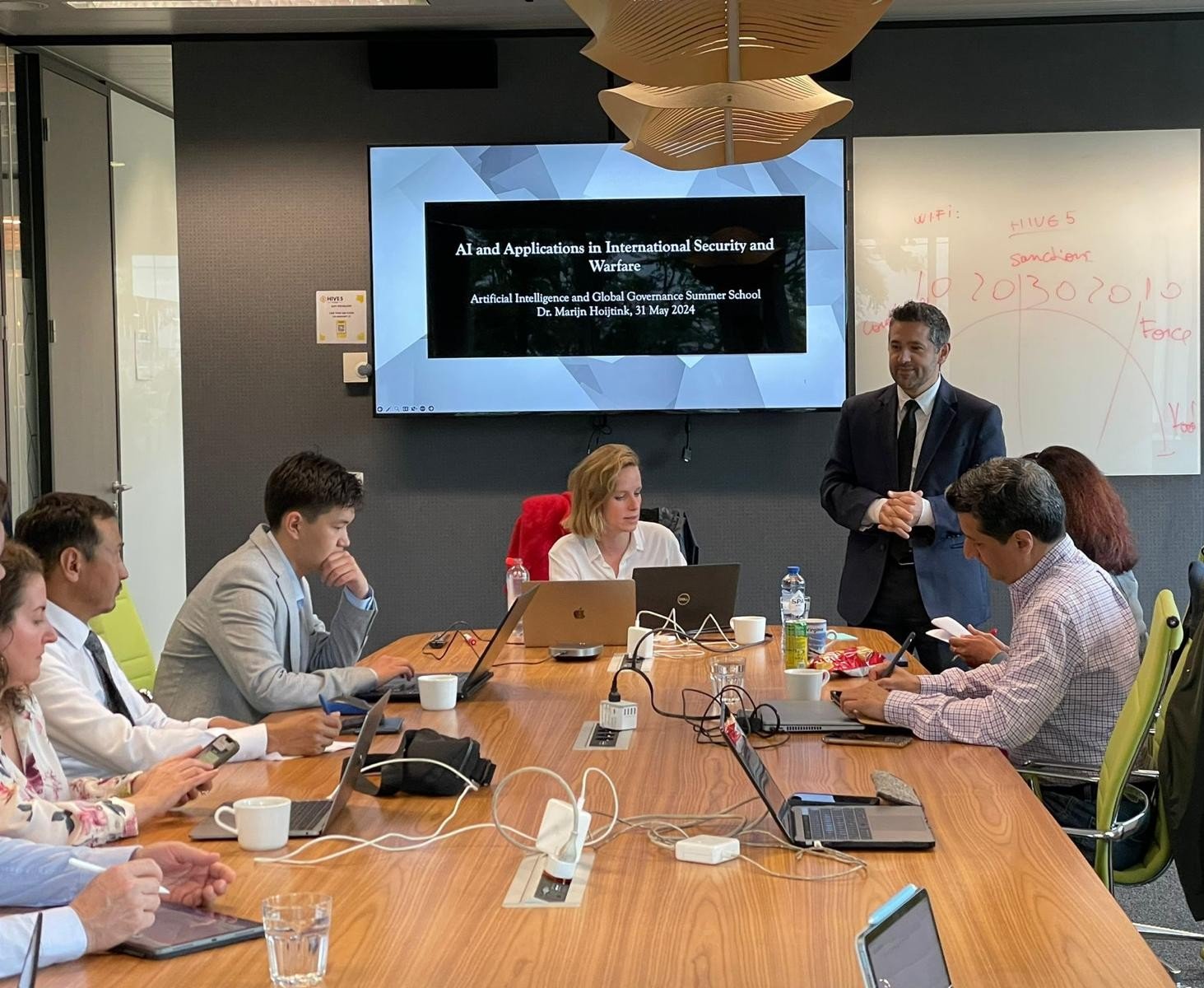

Day One: June 16Foundations and Ethical Impacts
Understanding AI Systems and Their Consequences
-
Participants gain a shared, non-technical understanding of how contemporary AI systems function. The session focuses on practical system lifecycles and common misconceptions relevant to policy and governance contexts.
-
-
This lecture examines core ethical risks associated with AI deployment. It emphasizes how technical design choices translate into social and institutional consequences.
-
-
Building on the previous session, this lecture situates AI ethics within broader social systems. It highlights structural harms and cross-cutting risks that emerge at scale.
-
-
The session is designed to foster early cohort cohesion, interdisciplinary exchange, and the development of professional relationships that extend beyond the Summer School.

Day Two: June 17Political Economy and Futures
Power, Infrastructure, and Frontier AI
-
This session analyzes AI as an economic and infrastructural system. It focuses on who controls critical resources and how power is distributed across the AI ecosystem.
-
-
The lecture expands political economy analysis to a global scale. It foregrounds development concerns and asymmetries between AI-producing and AI-consuming regions.
-
-
Participants explore the trajectory of advanced AI systems and their potential implications. The session focuses on uncertainty, speed of change, and limits of current governance approaches.
-
-
Participants learn to prepare original work that analyses a specific challenge that has emerged or is emerging from the development, deployment, and/or use of AI systems.

Day Three: June 18Global, Private, and Participatory Governance
Coordination Beyond the Nation-State
-
This lecture surveys global AI governance initiatives and standards. It evaluates their influence, limitations, and role in shaping national and organizational practices.
-
-
Participants examine how private actors govern AI in the absence of binding regulation. The session assesses effectiveness, incentives, and accountability gaps.
-
-
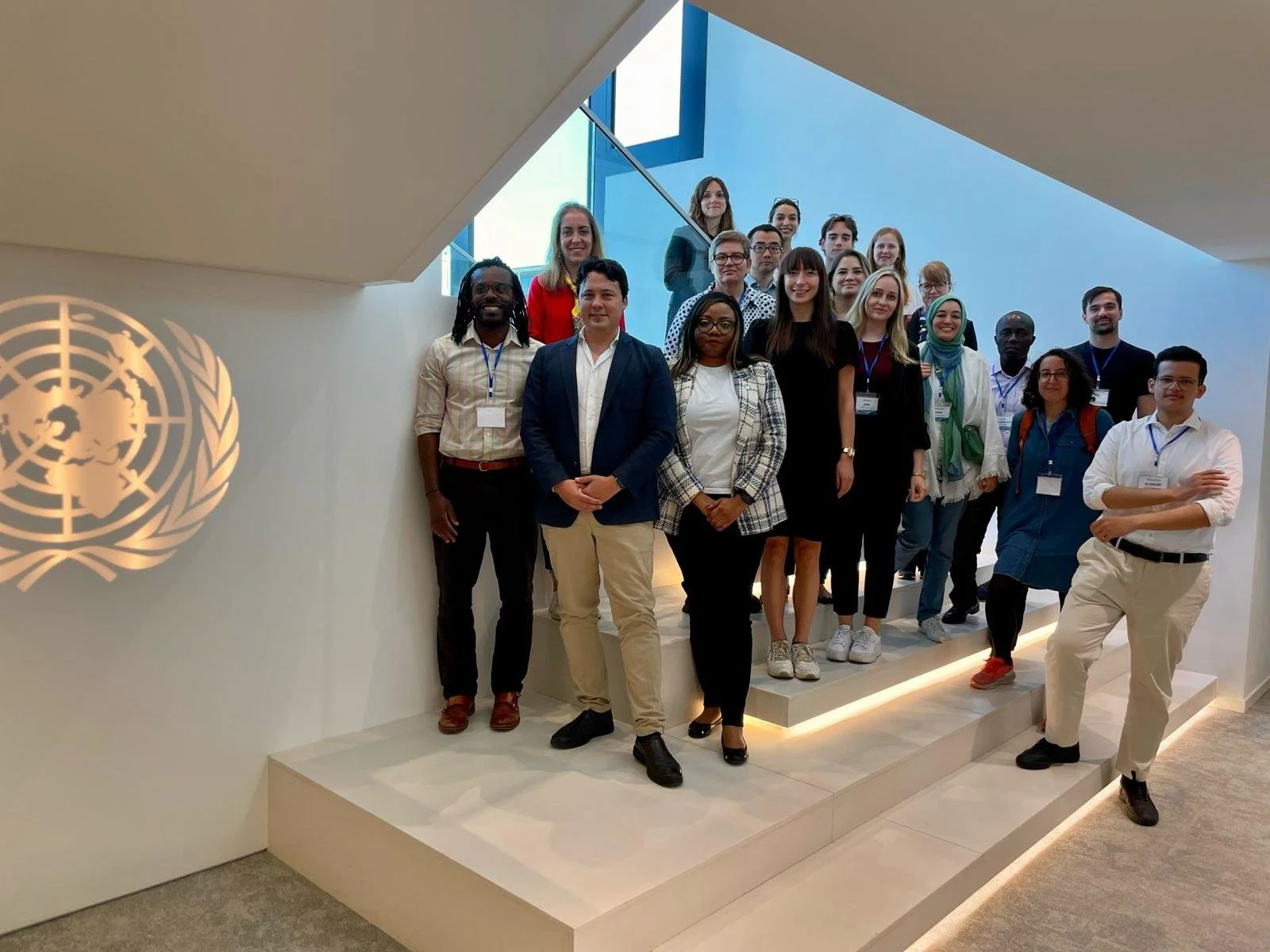
The visit provides an opportunity to learn more about UNDP’s SDG AI Lab, “which has a mission to harness the potential of frontier technologies such as Artificial Intelligence (AI), Machine Learning (ML) and Geographic Information Systems (GIS) for sustainable development.”
-
A self-guided tour of Istanbul highlighting its historical, cultural, and religious heritage. The experience provides an informal opportunity for cohort connection.
-
An AEGIX-hosted group dinner bringing together participants, faculty, and invited guests in an informal setting.

Day Four: June 19Comparative AI Governance Models
National and Regional Approaches
-
This session examines the US governance model, characterized by fragmented regulation and strong private-sector influence. It highlights strengths, limitations, and enforcement challenges.
-
-
Participants analyze the EU approach to AI governance as a comprehensive regulatory framework. The session emphasizes institutional design and global regulatory spillovers
-
-
This lecture compares major Asian governance models. It highlights diversity in state involvement, innovation strategies, and social control mechanisms.
-
-
The session examines governance approaches across emerging economies, emphasizing ambition, experimentation, and structural limitations.

Day Five: June 20Synthesis and Community
Integration and Network Building
-
Participants present original group work that analyses a specific challenge that has emerged or is emerging from the development, deployment, and/or use of AI systems.
-
-
Participants present original group work that analyses a specific challenge that has emerged or is emerging from the development, deployment, and/or use of AI systems.
-
-
This session introduces participants to the AEGIX professional ecosystem and long-term engagement.
Program Logistics
-
The total cost for the 5-day program is Euro 1500.
-
A limited number (20) of partial scholarships are available to support participation of students from the middle-income and from low-and lower-middle-income countries, based on country of residence at the time of application, using World Bank income classifications, not nationality or passport. Scholarships are awarded on a competitive basis and are subject to availability.
-
Your scholarship eligibility is determined by your current country of residence (where you are primarily based for work or study).
-
A 15 percent discount towards the full amount applies for participants who confirm and complete payment by the early-bird deadline: April 1, 2026. This discount cannot be combined with the scholarship or institutional rate.
-
Institutional sponsorship is welcome. Sponsored participants are eligible for the institutional rate where applicable. A 20 percent discount is available for participants nominated or sponsored by the same institution (minimum two participants). This discount cannot be combined with the scholarship or early-bird rate.
-
No. Only one discount may be applied per participant.
-
No. Participants are responsible for arranging and covering travel, accommodation, meals outside scheduled program activities, and visa costs.
-
AEGIX can provide official invitation and support letters to assist with visa applications, but participants remain responsible for all arrangements and outcomes.